
Home – History
History_of_the_hippie_movement

Origin:
The roots of the hippie movement can be traced to the 1950s Beat Generation, a cohort of writers like Jack Kerouac and Allen Ginsberg who vehemently rejected mainstream materialism. Their literary rebellion, epitomized by works such as “On the Road” and “Howl,” challenged societal norms. The Beats’ disdain for conformity and pursuit of alternative lifestyles profoundly influenced the subsequent rise of the 1960s hippie movement, embodying ideals of nonconformity and rejecting traditional values. This countercultural transition, from the Beats’ literary revolt to the hippies’ pursuit of peace and communal living, marked a transformative evolution in American cultural history.
Counterculture and Anti-Establishment Sentiment:
The roots of the hippie movement can be traced to the 1950s Beat Generation, a cohort of writers like Jack Kerouac and Allen Ginsberg who vehemently rejected mainstream materialism. Their literary rebellion, epitomized by works such as “On the Road” and “Howl,” challenged societal norms. The Beats’ disdain for conformity and pursuit of alternative lifestyles profoundly influenced the subsequent rise of the 1960s hippie movement, embodying ideals of nonconformity and rejecting traditional values. This countercultural transition, from the Beats’ literary revolt to the hippies’ pursuit of peace and communal living, marked a transformative evolution in American cultural history.

Summer of Love:
The pivotal Summer of Love in 1967, anchored in San Francisco’s Haight-Ashbury district, stands as a seminal moment for the hippie movement. A multitude of youth nationwide converged, drawn by a quest for an alternative existence grounded in peace, love, and communal living. This cultural phenomenon gave rise to iconic imagery, symbolized by flower power, tie-dye attire, and psychedelic music, encapsulating the spirit of the movement. Haight-Ashbury became a beacon, radiating the ideals of the counterculture and leaving an indelible mark on the collective consciousness of a generation.
Music And Festivals:
Music served as a vital conduit for expressing hippie ideals, with bands like The Beatles, The Rolling Stones, and Jimi Hendrix adopting psychedelic rock. Pivotal music festivals, notably Woodstock in 1969, evolved into epicenters of the movement. These gatherings offered a platform for communal living, fostering artistic expression and the exchange of alternative ideas. The synergy between music and the counterculture not only amplified the ethos of peace and love but also solidified the cultural significance of these events as transformative experiences within the broader context of the hippie movement.
Communal Living and Alternative Lifestyles:
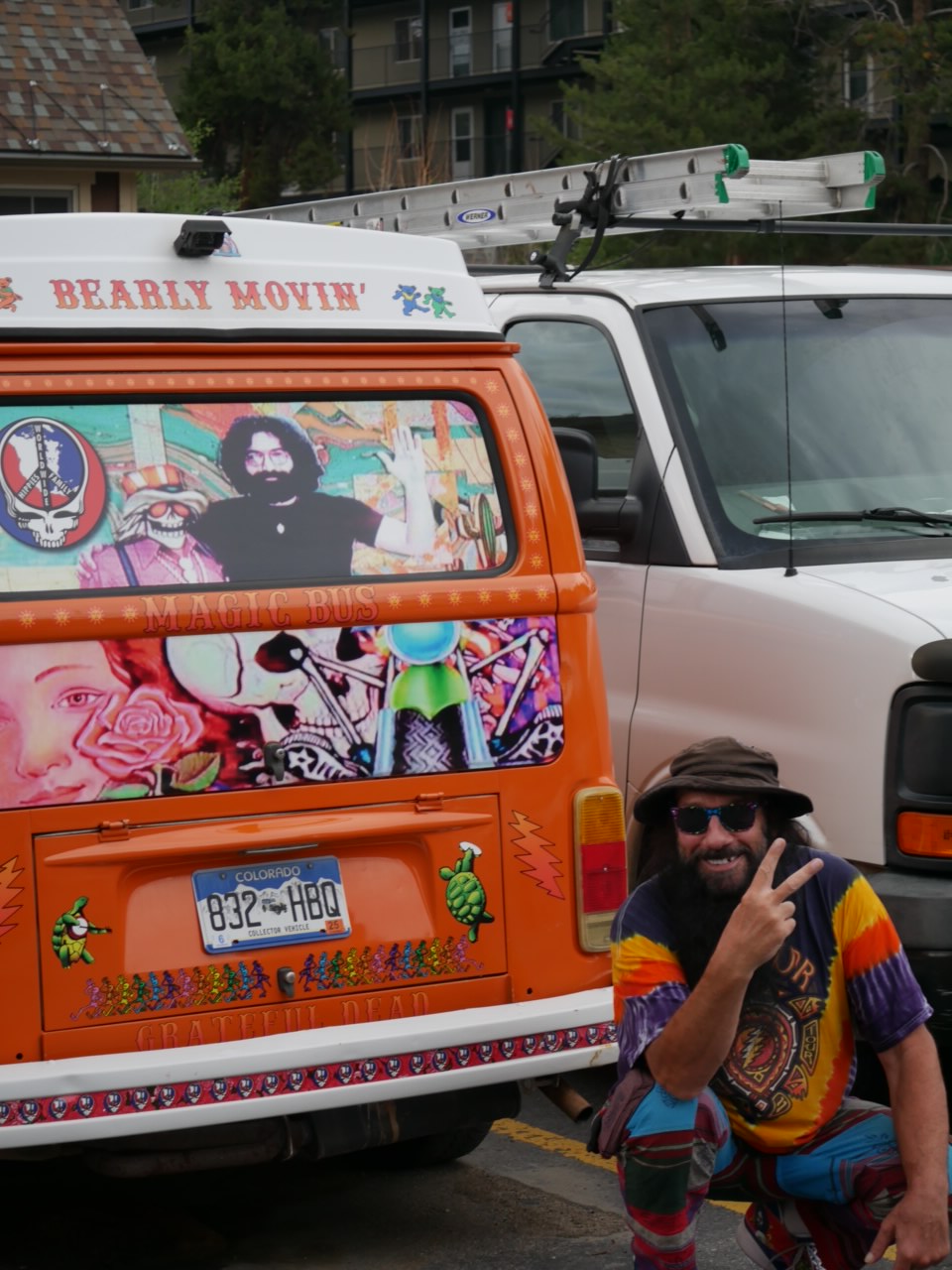
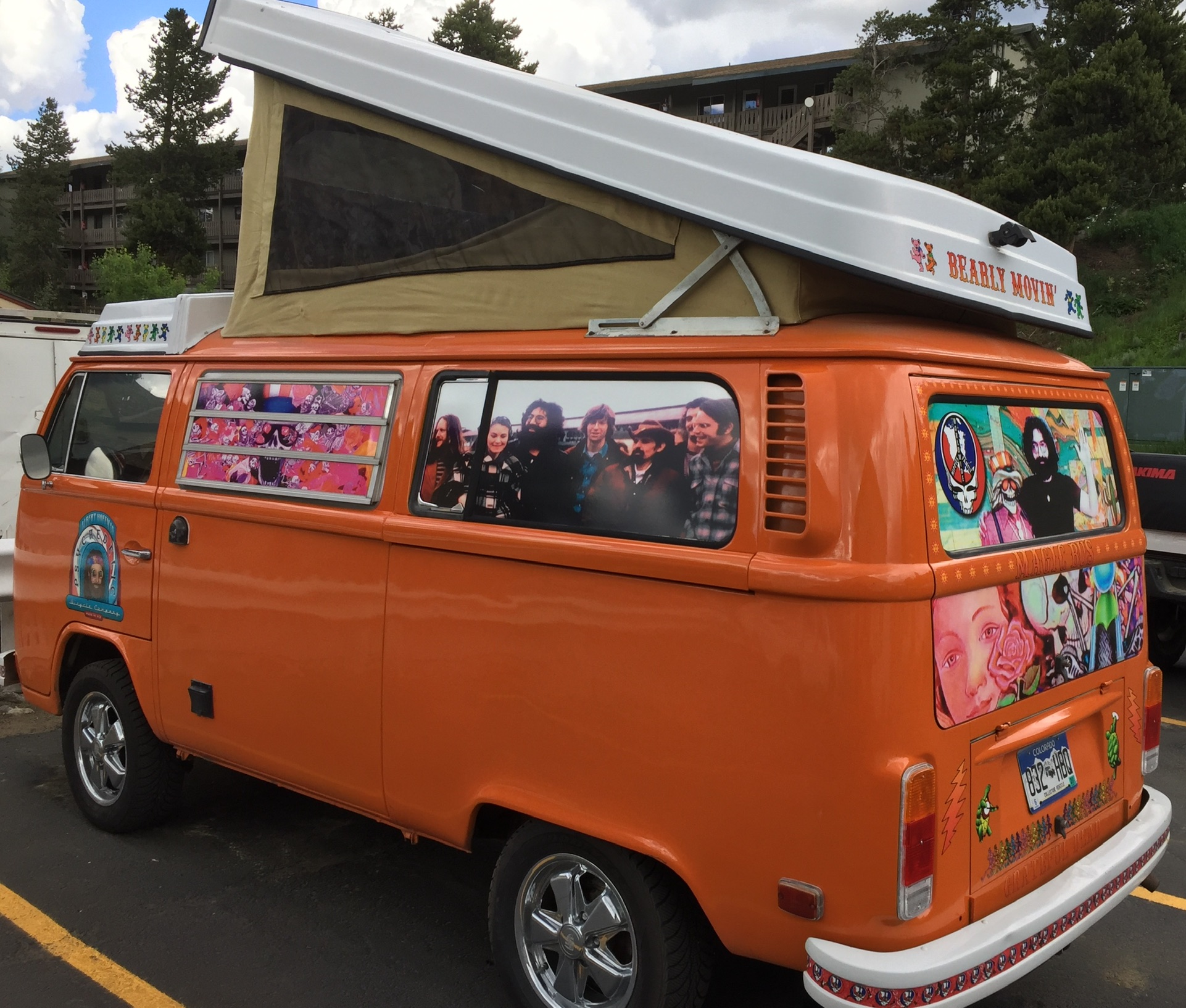
Hippies fervently spurned conventional societal structures, opting for communal living and unconventional lifestyles. They delved into alternative education, spirituality, and personal relationships, drawing inspiration from Eastern philosophies like Buddhism and Hinduism. These influences reshaped their worldview, leading many to explore new spiritual frontiers, often involving the use of psychedelic substances such as LSD. This holistic rejection of mainstream norms encapsulated the countercultural spirit, with hippies seeking profound, experiential connections that transcended traditional boundaries, epitomizing an era marked by unconventional exploration and a quest for a more liberated and interconnected existence.
Decline And Legacy:
Amidst the 1970s, the once-vibrant idealism of the hippie movement dwindled due to internal conflicts, counterculture’s commercialization, and evolving politics. Despite this decline, the movement’s enduring legacy persisted, shaping subsequent generations and permeating popular culture. In retrospect, the hippie movement, a response to the 1960s’ social and political tumult, proved transformative. Although its zenith was fleeting, the enduring resonance of its principles—peace, love, and defiance of societal norms—continues to exert a profound and lasting influence on contemporary culture
